
See How Real People React to Your Case — Before the Real Jury Does
Since 2018, we have conducted more than 50 neutral litigation focus groups for attorneys across Louisiana, Arkansas, and East Texas. These sessions have covered catastrophic personal injury, medical malpractice, FELA (railroad injury), successions, property disputes, commercial litigation, employment cases, insurance disputes, civil rights (wrongful arrest and excessive force), federal white-collar criminal matters, federal criminal (civil rights violation), federal criminal healthcare fraud, intellectual property, and much more.
Get unfiltered feedback from people who mirror your venue’s jury pool — so you can refine themes, test ideas and exhibits, strengthen arguments, and walk into mediation or trial with confidence.
CALL (318)227-3500

Sessions available in Shreveport or we travel to you. (Two hours of travel time (each way) is included in our standard professional fee.)

BEHIND THE JURY ROOM’S CLOSED DOOR
How will a jury decide your case?
The jury will be ordinary people from all walks of life — teachers, nurses, electricians, accountants, retirees, college students, and others. Each brings their own life experience, sense of fairness, biases, and view of credibility into the deliberation room. They will decide your case based on how they individually and collectively interpret the testimony, exhibits, and arguments.


Is there a better way?
Yes, a properly conducted litigation focus group.
The biggest variable in any trial is how ordinary people will interpret the facts, weigh credibility, and emotionally respond to the evidence and arguments. Guessing rarely works. A focus group eliminates much of that uncertainty by placing your case — or specific issues — in front of demographically comparable participants in a controlled, neutral setting, allowing you to directly observe and measure the emotional impact of testimony, exhibits, and key arguments in real time.
A focus group will approximate a real jury. Your case will be presented in a completely neutral manner that is not designed to favor the plaintiff or the defendant. Participants receive a balanced view of what the testimony and evidence will likely be at trial. The material is presented in segments, with each segment followed by open discussion among the group. This process brings into focus how jurors acting as a group will actually see the parties, witnesses, and evidence.
The focus group’s reactions and discussion provide valuable insight into:
What testimony and evidence is and is not important to real people in the real world

What is most or least important to jurors


What questions jurors may have about the parties, witnesses, and evidence
How jurors may like or dislike certain ideas, arguments, evidence, witnesses, or even the parties themselves
What testimony and evidence is difficult to understand
Focus groups also frequently identify issues — both problematic and favorable — that the lawyers on either side may not have recognized or may not have recognized as being of great significance.
If an issue is unfavorable, the group discussion reveals how jurors perceive it and gives practical ways to address it, minimize the damage, or even turn it to your advantage. Where the focus group reacts favorably, to a theme, issue, party, or evidence, you can learn how to maximize the emotional and persuasive impact.
FOCUS GROUP SERVICES
Every case is different. Some need a broad temperature check early in discovery. Others require deep dives on damages, witness credibility, or specific exhibits — or even an early evaluation to decide whether a case is worth the time, money, and effort to pursue in the first place. As a result, we offer a variety of Focus Group services.
Standard Litigation Focus Group (6–12 Participants) — Ideal for testing overall case strength, key themes, liability, or damages valuation. Neutral presentation of facts and exhibits, followed by moderated discussion and questionnaires.
Issue-Specific or Themed Sessions — Drill down on medical records and expert testimony, comparative fault, witness credibility, opening hooks, damages framing, or other critical issues.

Comprehensive Strategy Debrief + Transcript + Video + Comprehensive Written Report — Included with every engagement. You will receive detailed analysis of reactions, common themes, strengths and weaknesses, recommended adjustments, and suggested voir dire or settlement approaches. In addition, included as part of the professional fee, you will receive a video of the focus group session, a transcript of the focus group session, and detailed comprehensive written report.

Add-Ons — Witness observation, post-session strategy calls, and curated video clips for trial preparation, planning, or mediation.

Location — Sessions can be held in Shreveport, or we will travel to your location. (Two hours of travel time (each way) is included as part of our professional fee.)

BENEFITS & OUTCOMES

Why top litigators use focus groups — and what you gain:

Early Case Evaluation
Decide whether to invest significant time, money, and effort before committing fully.


Strengthen Strategy
Refine themes, test ideas and exhibits, and identify biases.
Convenience
Sessions in Shreveport or we travel to you.

Uncover Hidden Issues
Focus groups frequently expose concerns that none of the lawyers (on either side) realized were actual issues for laypeople. You can then address these through voir dire or evidence and remove “non-issues” from jurors’ minds.

Mediation Leverage
Objective data plus usable video clips.

Tangible Deliverables
Full video recording, complete transcript, and comprehensive professional report.
REAL TALK FROM A FELLOW LITIGATOR
“The focus groups were a tremendous help in a large civil case we tried to a jury. In my opinion, the insight we gained was a significant factor in leading to our multi-million dollar jury verdict for our client.”
Ross Downs, Jr., Attorney
Past results are not a guarantee of future success.
EXPERIENCE
Every focus group is led by Todd Benson, a civil litigator who has facilitated more than 50 neutral sessions for attorneys across Louisiana, Arkansas, and East Texas since 2018. These sessions deliver unfiltered feedback from people who mirror the local jury pool — the kind of real-world insight that helps refine themes, test exhibits and ideas, strengthen arguments, and walk into mediation or trial with greater confidence.
Who Conducts the Focus Groups
Lead facilitator Todd Benson is a civil litigator with Ayres, Shelton, Williams, Benson & Paine, LLC in Shreveport, Louisiana. For more than 30 years he has handled personal injury, commercial litigation, successions, LLC and corporate disputes, civil rights claims, and more — trying cases before judges and juries in Louisiana, Texas, Arkansas, and Tennessee.
In 2021, Todd was named Best Plaintiff Personal Injury Lawyer in Shreveport by Super Lawyers.
Todd has achieved verdicts of $8,000,000+ (Caddo Parish), $2,000,000 (Nashville, Tennessee federal court), $555,536 (Caddo Parish), and $500,000 (Shreveport federal court), along with many other substantial verdicts. That frontline experience shapes every focus group.
You get neutral facilitation from someone who understands the pressures of real litigation in this region — plus a personal, responsive working relationship.
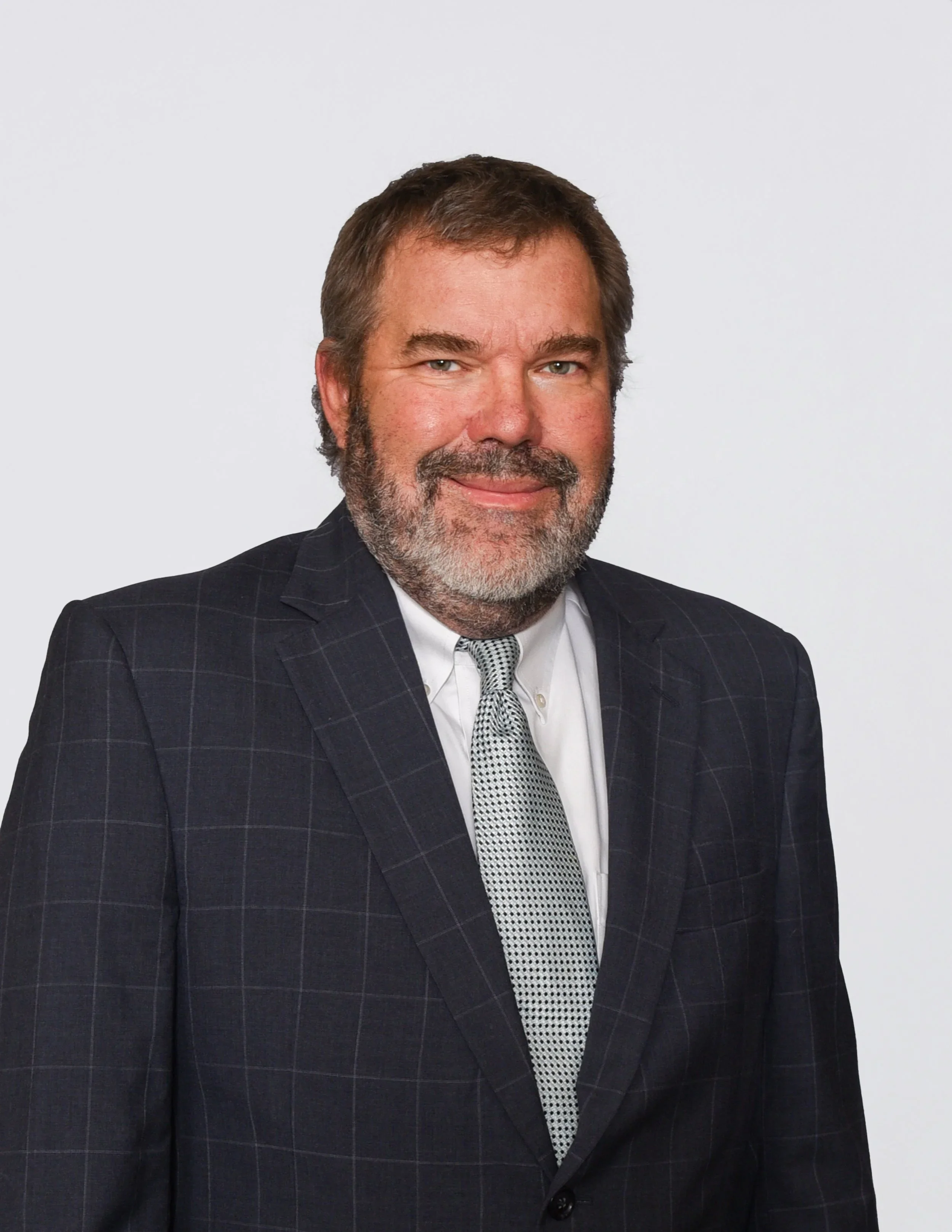
Todd Benson, Lead Facilitator
TESTIMONIALS

“The focus groups were a tremendous help in a large civil case we tried to a jury. In my opinion, the insight we gained was a significant factor in leading to our multi-million dollar jury verdict for our client.”
— Ross Downs, Jr., Attorney
Past results are not a guarantee of future success.
“I am an attorney practicing in Little Rock, Arkansas. I used focus groups this past year for two complex medical malpractice cases. Todd handled the groups himself, managed all recruitment, and did an excellent job presenting the cases neutrally so the participants never knew whether he was working for the plaintiff or the defense. I was very pleased with the insights generated and will definitely use this service again.”
— Melody Piazza, Attorney at Law, Little Rock, AR
SCHEDULE A CONFIDENTIAL CONSULTATION